
Skip to content
Habinova
Native meadow buffer zone in front of a Nordic data centre building

Biodiversity Paths™ by Habinova

From industrial edges to ecological networks

Biodiversity Paths is a habitat-led solution for open and semi-open land around infrastructure, energy, industry, cities and commercial development — built over nearly two years of development on top of Finnish native-seed work since 2001.

Where it applies

Open and semi-open land that is rarely designed for nature

Around most development there is land that is neither built on nor left to develop ecologically. These areas often include:

  • 01Roadsides
  • 02Power-line corridors
  • 03Data-centre boundaries
  • 04Buffer zones
  • 05Forest roads
  • 06Construction-disturbed land
  • 07Industrial transition zones
  • 08Conventional lawns
  • 09Areas unsuitable for forest, peatland or wetland restoration

Ecosystem view

Separate project areas can form a connected network

Individually, an edge or corridor is a small habitat. Planned together across a land portfolio, they become stepping stones and routes for pollinators, butterflies, birds and other small wildlife.

FRAGMENTED LANDCONNECTED HABITAT NETWORK

Biodiversity Paths complements forest, peatland and wetland restoration by focusing on open and semi-open habitats.

Two levels

Native and Local

Both levels share the same habitat-led method. They differ in the provenance of plant material and the depth of site-specific work.

Biodiversity Paths™

NATIVE

A scalable Finnish-native solution for large sites and land portfolios.

  • Finnish native wildflower seeds and plants
  • Species selected for habitat, light, moisture and soil
  • Site-specific planning
  • Ground-preparation and establishment guidance
  • Implementation and management model
  • Suitable for scalable deployment across multiple sites
Biodiversity Paths™

LOCAL

A premium, site-specific solution using locally sourced or propagated native plant material with transparent provenance.

  • Local collection or contract propagation
  • Documented origin
  • Site-specific species selection
  • Long-term establishment and management
  • Suitable for ecologically sensitive or strategically important sites
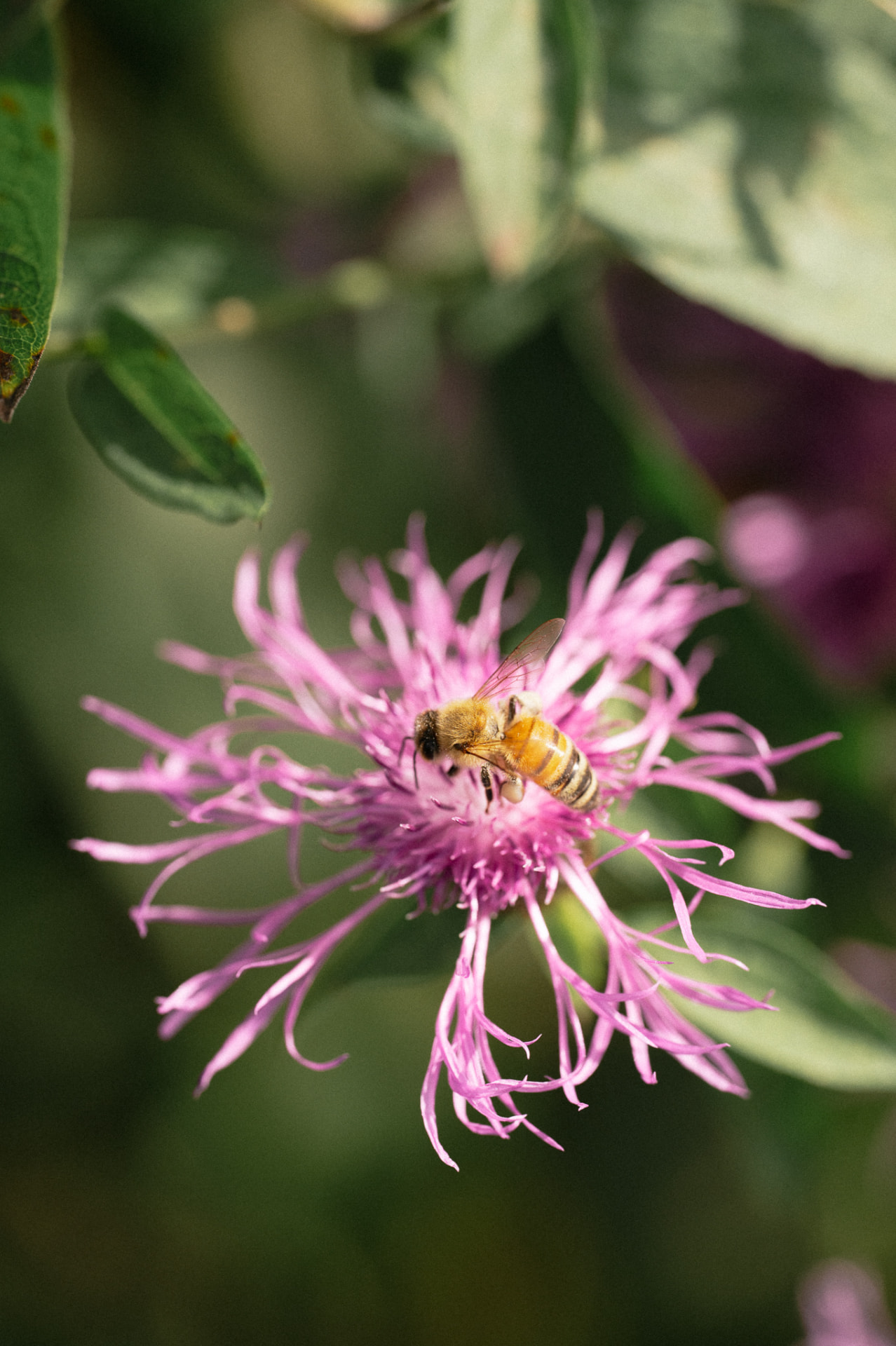
Bumblebee on a purple knapweed flower beside a gravel forest road

Biodiversity Paths NATIVE

Scalable, Finnish-native, repeatable

NATIVE uses Finnish native wildflower seeds and plants, selected for the habitat, light, moisture and soil of each site. It is designed to be deployed consistently across many sites with a shared implementation and management model.

A typical NATIVE engagement covers site-specific planning, ground-preparation and establishment guidance, sowing or planting, and a management plan the site team can follow.

Locally sourced native meadow at the boundary of a data centre site

Biodiversity Paths LOCAL

Site-specific, locally sourced, fully documented

LOCAL uses plant material collected or contract-propagated from the local region, with documented origin. It suits ecologically sensitive or strategically important sites where provenance, transparency and long-term stewardship matter most.

LOCAL projects include species selection based on the surrounding landscape, a sourcing plan, and long-term establishment and management.

Supporting services

Measurement and documentation

Available alongside NATIVE or LOCAL. Monitoring helps evaluate establishment, habitat development and observed ecological activity. It does not turn assumptions into verified impact without appropriate evidence.

Baseline assessment

Supporting service

Habitat and species documentation

Supporting service

Establishment monitoring

Supporting service

Flowering continuity

Supporting service

Pollinator observations

Supporting service

Photo documentation

Supporting service

Maintenance reporting

Supporting service

Portfolio-level impact reporting

Supporting service
A note on responsibility. Results depend on the site, habitat conditions, preparation, species selection, establishment, management and monitoring. Valuable existing habitats are never replaced by newly created meadow habitats.

Build a habitat network.

Start with 1–3 pilot habitats and develop a repeatable portfolio model.